

How Prescription Drugs are Decimating the Veteran Gut
For decades, the medical community viewed the human digestive tract as a simple plumbing system—a tube for processing fuel and discarding waste. But recent breakthroughs in microbiology have revealed a far more complex reality: your gut is a lush, teeming ecosystem of trillions of bacteria, fungi, and viruses. This "microbiome" isn't just a bystander in digestion; it is a critical organ that regulates your immune system, synthesizes vitamins, and—most importantly—functions as your "second brain."
For the veteran community, this discovery is a missing piece of a devastating puzzle. We are seeing a crisis of chronic illness, metabolic disease, and mental health struggles that standard treatments aren't fixing. The culprit may be hiding in plain sight: the very pills prescribed to help are often wiping out the internal "allies" we need to survive.
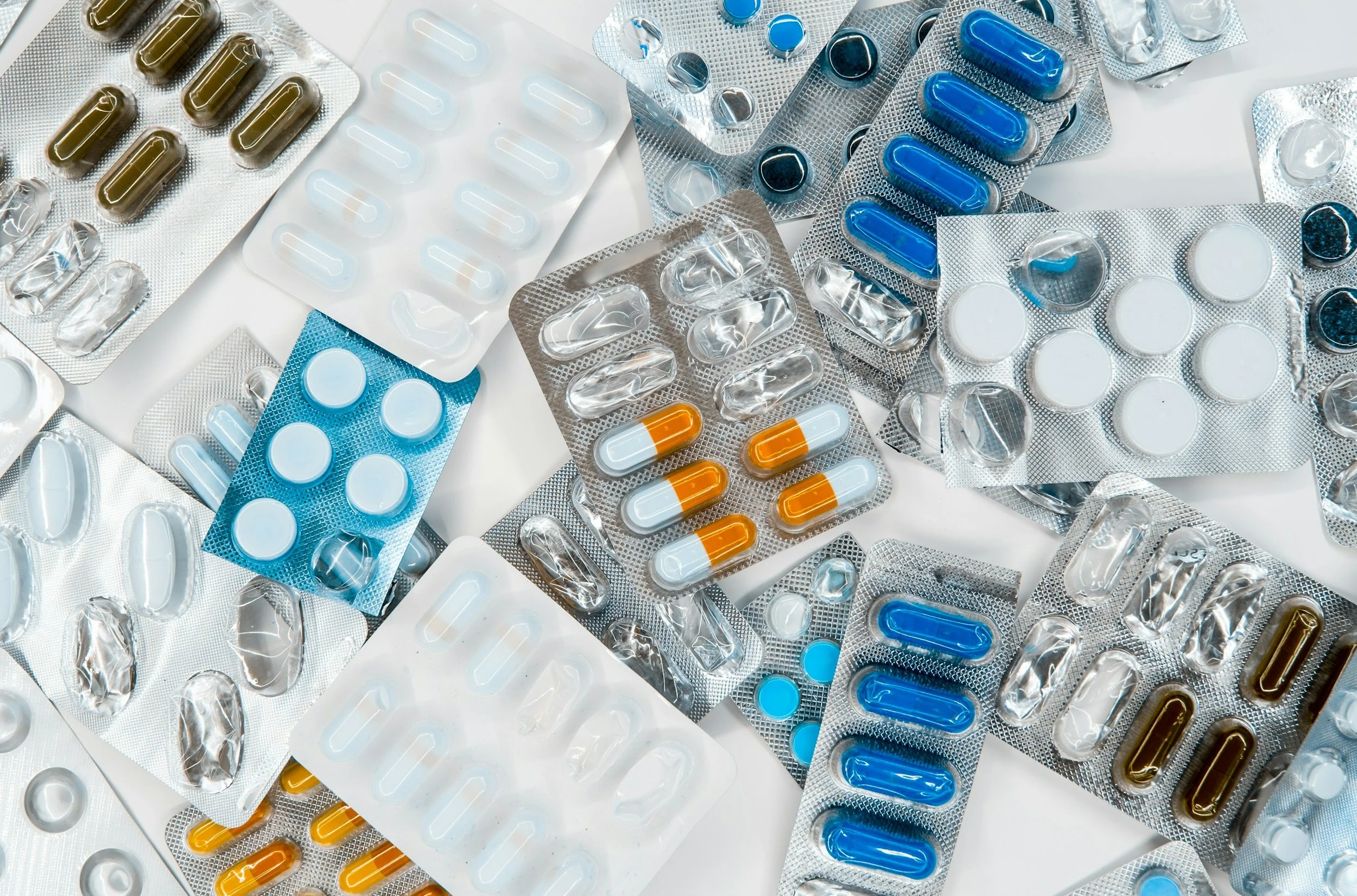
The "Scorched Earth" Effect of Pharmaceuticals
When we think of gut damage, we usually think of antibiotics. We know they act like a "carpet bomb," killing off infections but taking out beneficial flora in the process. However, new research published in journals like Nature and Gut shows that common, non-antibiotic drugs—the ones many veterans take daily—can be just as destructive.
PPIs (Proton Pump Inhibitors): Used for acid reflux, these drugs alter the pH of the entire digestive tract, allowing harmful bacteria that should be killed by stomach acid to migrate into the intestines.
Benzodiazepines & Antidepressants: These can alter intestinal motility (the speed at which food moves), which reshapes the microbial landscape. Some even have direct antimicrobial properties that kill off specific "good" strains.
NSAIDS & Painkillers: Chronic use of heavy-duty painkillers can erode the gut lining, leading to "leaky gut" where toxins seep into the bloodstream.
For veterans who have endured multiple surgeries, long hospital stays, and "polypharmacy" (taking five or more medications), the result is a state of dysbiosis—an internal wasteland where the diversity of life has been decimated.
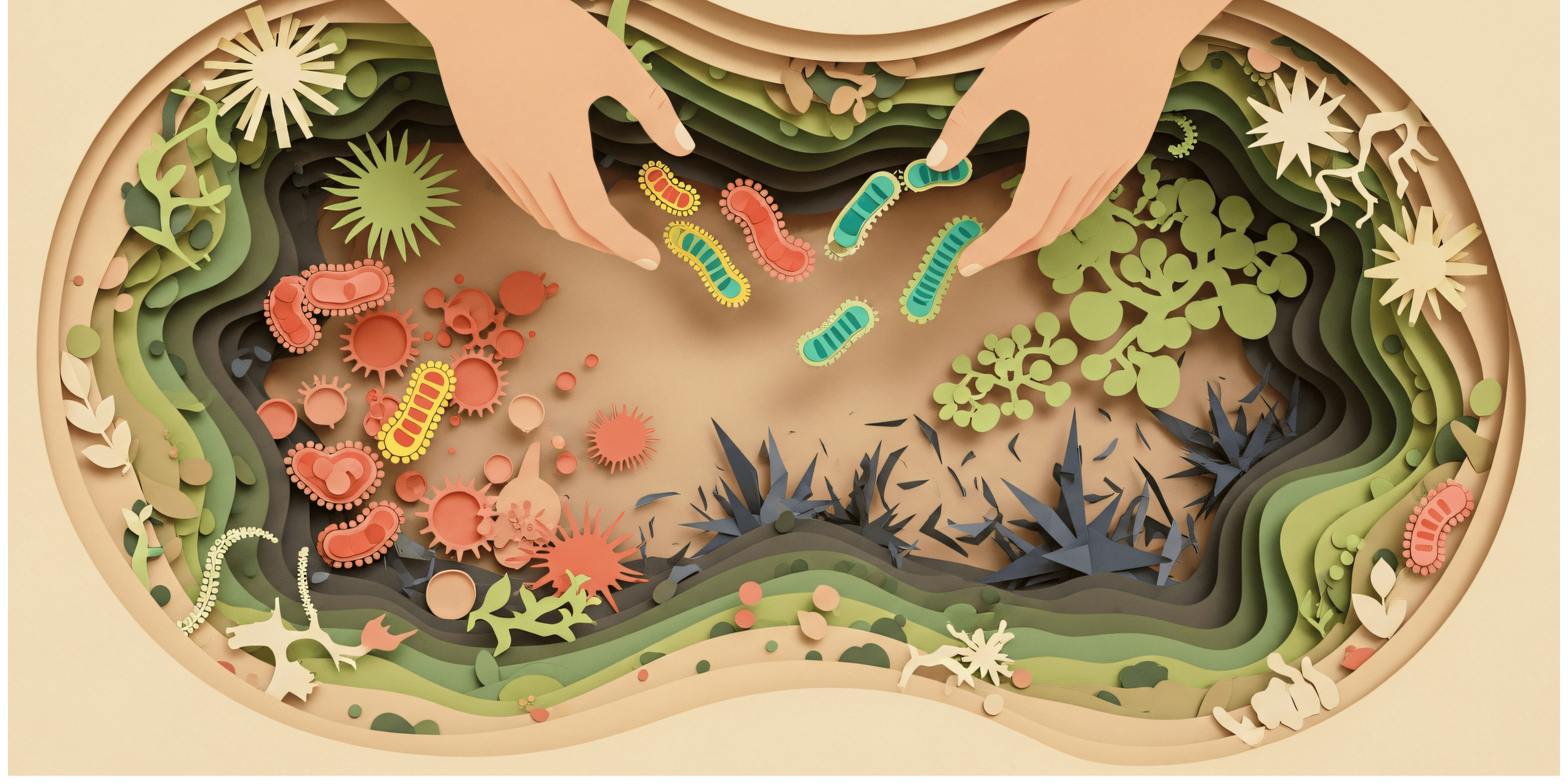
The Gut-Brain Crisis: Suicide and Mental Health
The connection between the gut and the veteran suicide crisis is not a leap of logic; it’s biology. The gut produces about 95% of the body’s serotonin and a significant portion of its dopamine—the chemicals that regulate mood and stability.
When the microbiome is destroyed by pharmaceuticals:
Neurotransmitter Production Halts: Without the right bacteria to synthesize these chemicals, the brain is starved of its "feel-good" signals, leading to treatment-resistant depression and anxiety.
Systemic Inflammation: An imbalanced gut triggers the immune system to release pro-inflammatory cytokines. This inflammation travels the Vagus Nerve directly to the brain, causing "neuroinflammation," which is closely linked to suicidal ideation and PTSD severity.
The Absorption Failure: You aren't what you eat; you are what you absorb. A damaged gut cannot pull magnesium, B-vitamins, or amino acids from food. A veteran can eat a perfect diet but still be "starving" at a cellular level, leading to the profound fatigue and brain fog often seen in Gulf War Illness.
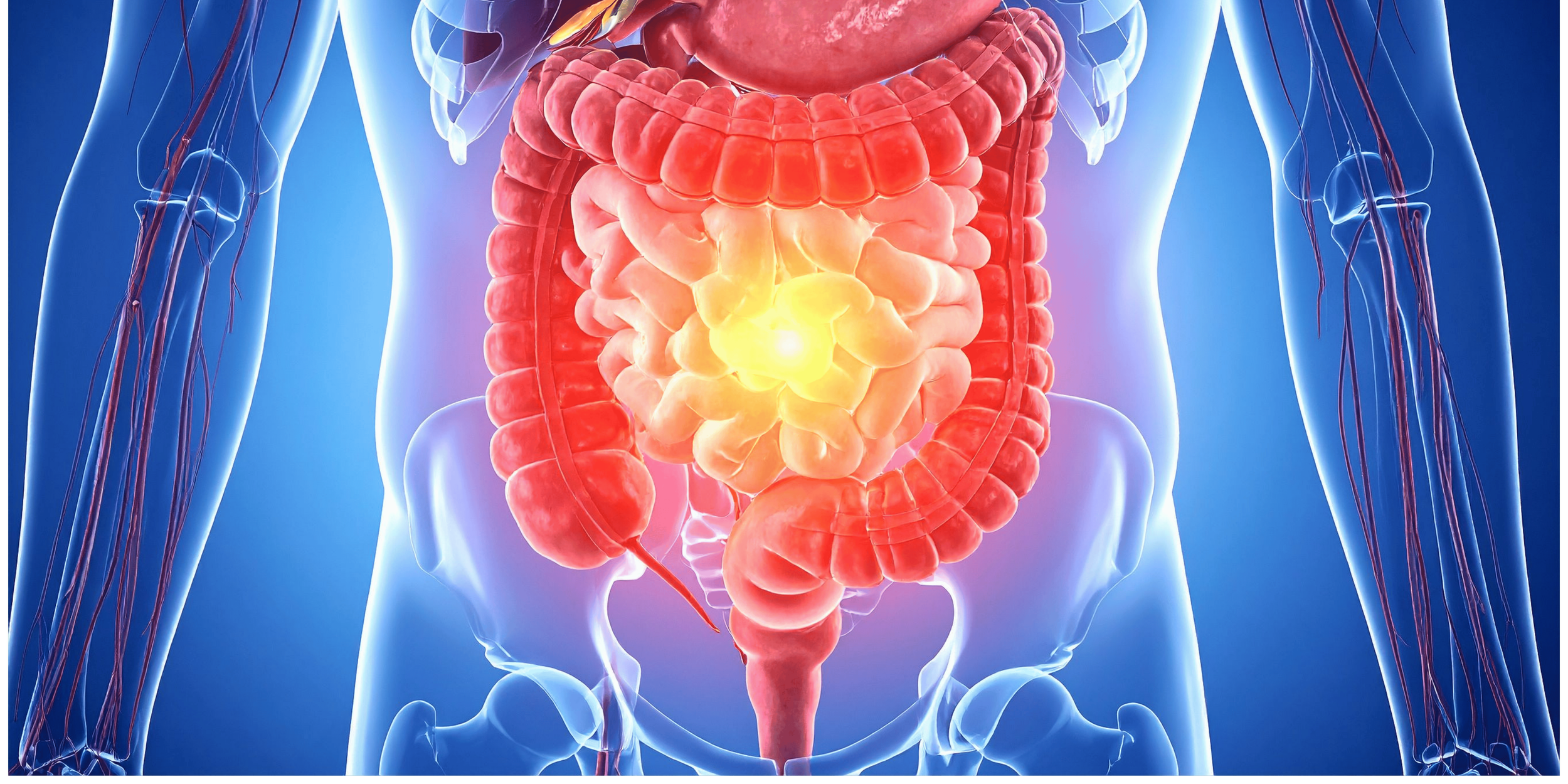
From Gut Health to Cancer
The link to physical ailments is equally stark. A wiped-out microbiome loses its "colonization resistance," allowing pathogens like H. pylori or inflammatory bacteria like Fusobacterium nucleatum to take over. These have been directly linked to increased risks of stomach and colorectal cancers. Without a diverse bacterial "shield," the gut lining becomes vulnerable to the DNA damage and chronic inflammation that fuel tumor growth.
Taking Control: The Power of the Stool Test
If you are a veteran struggling with "unexplained" health issues, it is time to stop guessing and start testing. Standard blood work often misses the microbial war happening inside you.
How a Comprehensive Stool Test Helps
A functional microbiome stool test (such as a GI-MAP or Gut Zoomer) uses DNA sequencing to map your internal ecosystem. It identifies:
Specific Deficiencies: Exactly which "keystone" bacteria are missing (e.g., Akkermansia or Lactobacillus).
Overgrowths: Whether fungi (like Candida) or opportunistic bacteria have taken over the space left by medications.
Inflammatory Markers: Measuring how much stress your gut lining is under.
The Path to Repair
Once you have your "map," you can move away from generic probiotics and toward Precision Supplementation:
Targeted Probiotics: Taking specific strains (like S. boulardii for antibiotic recovery or Bifidobacterium for mood support) based on your lack.
Prebiotic Fiber: Feeding the survivors. Think of this as "fertilizer" for your internal garden.
Digestive Enzymes & Bitters: Helping your body do the work that the medication may have hindered, ensuring you actually absorb your nutrients.
Your gut is the foundation of your resilience. If you’ve spent years following the "pill for every ill" model and feel your health slipping away, it’s time to look at what those pills have taken from you—and start the work of reclaiming your internal allies.